

Modern cultivation methods such as hydroponics represent a significant shift from traditional soil-based agriculture toward more controlled and efficient production systems. Hydroponics is a technique in which plants are grown without soil, using a nutrient-rich water solution that delivers essential minerals directly to the plant roots. This method allows precise control over growing conditions, including nutrient concentration, pH levels, water usage, and temperature, resulting in faster growth rates and higher yields compared to conventional farming.
One of the key advantages of hydroponic cultivation is its efficient use of resources. Hydroponic systems typically require up to 90 percent less water than soil-based farming because water is recirculated rather than lost through runoff or evaporation. Additionally, the absence of soil reduces the risk of soil-borne diseases and pests, minimizing the need for chemical pesticides. This makes hydroponics an environmentally sustainable option, particularly in regions facing water scarcity or limited arable land.
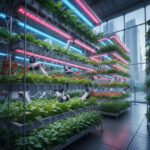
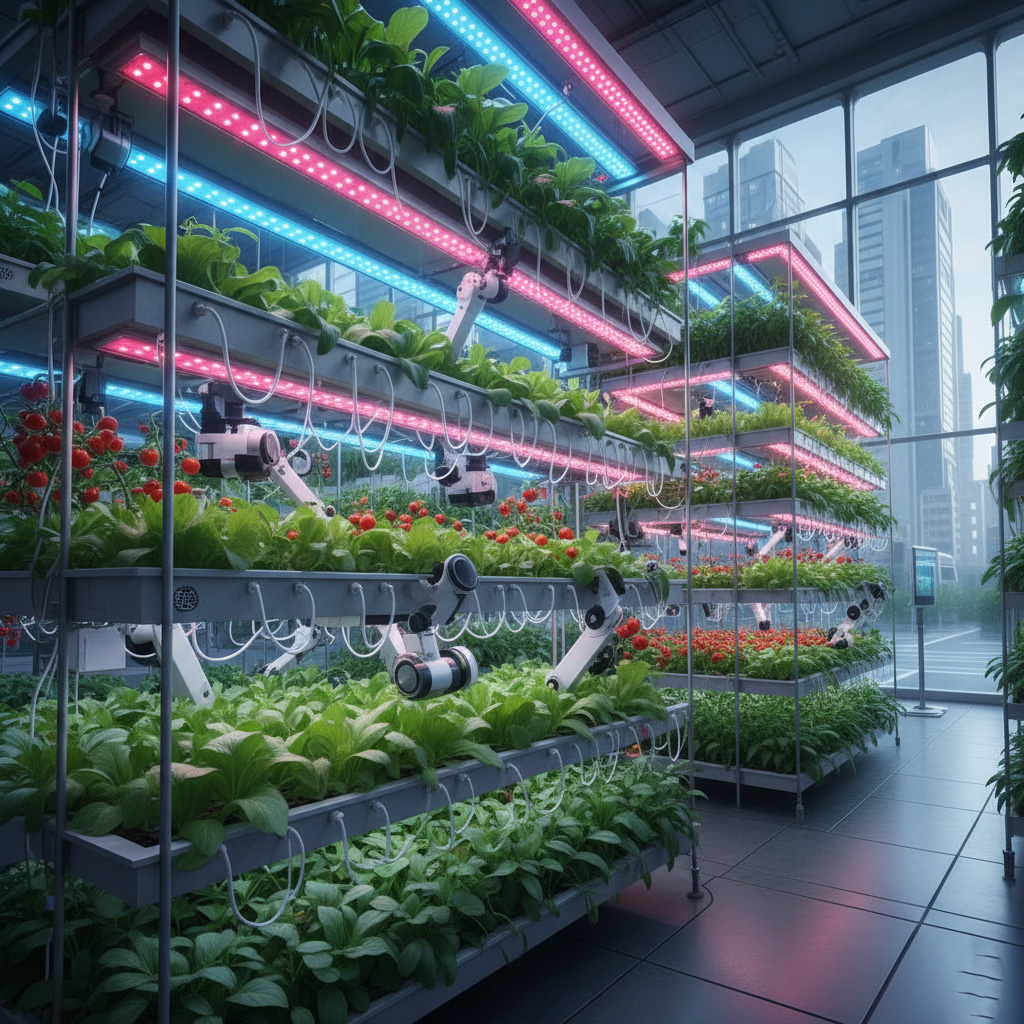
Hydroponics is especially well suited for urban and indoor farming, where space is limited and environmental conditions can be fully controlled. By integrating hydroponic systems into greenhouses, vertical farms, or indoor facilities, crops can be produced year-round regardless of climate or season. As global demand for food continues to rise, modern cultivation methods like hydroponics offer a scalable, sustainable, and technology-driven solution to ensure consistent food production while reducing environmental impact.