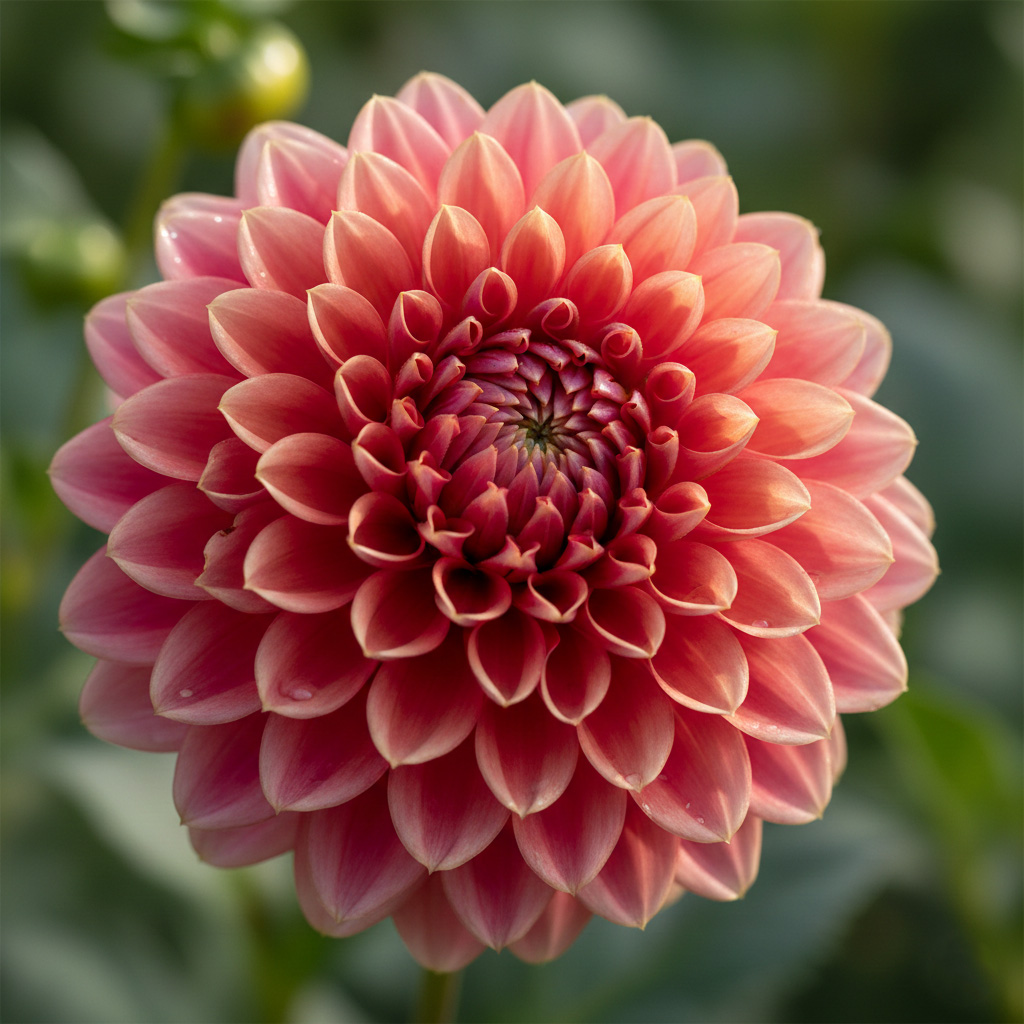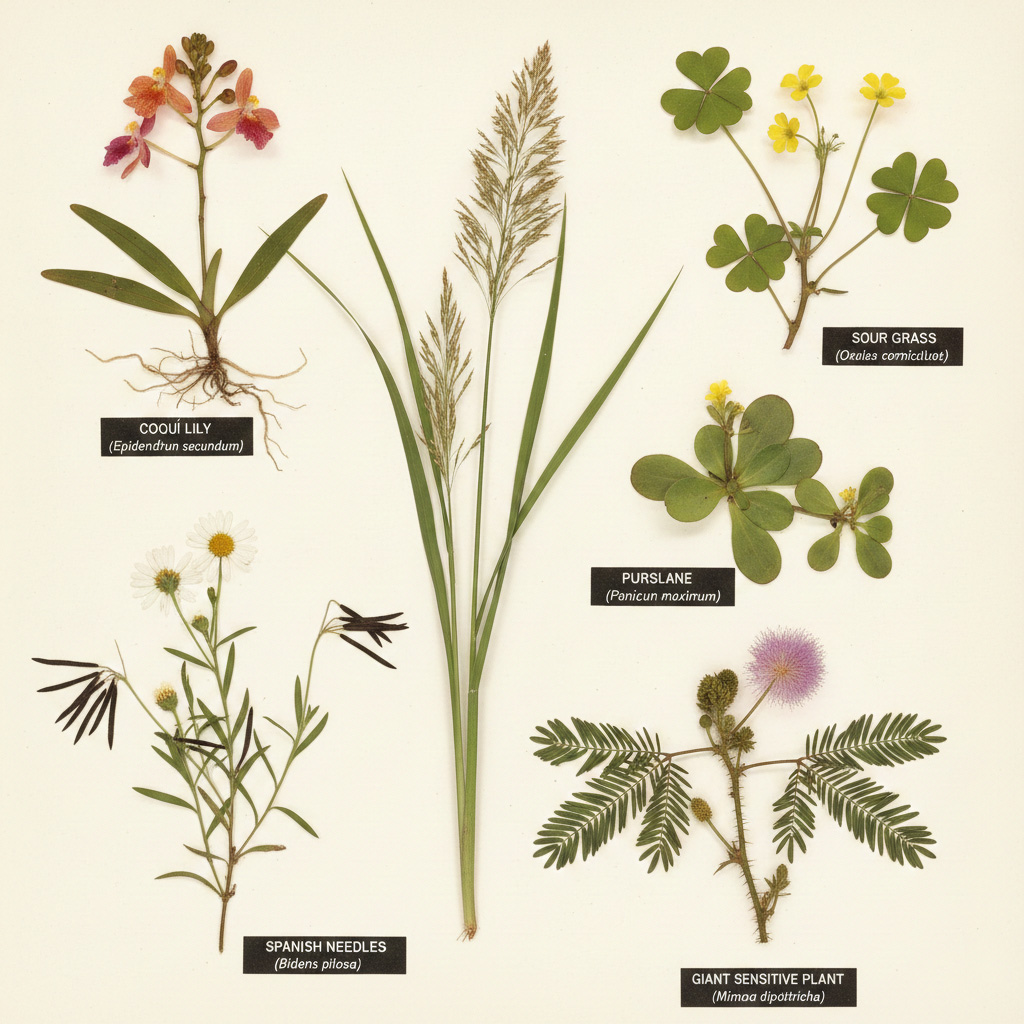




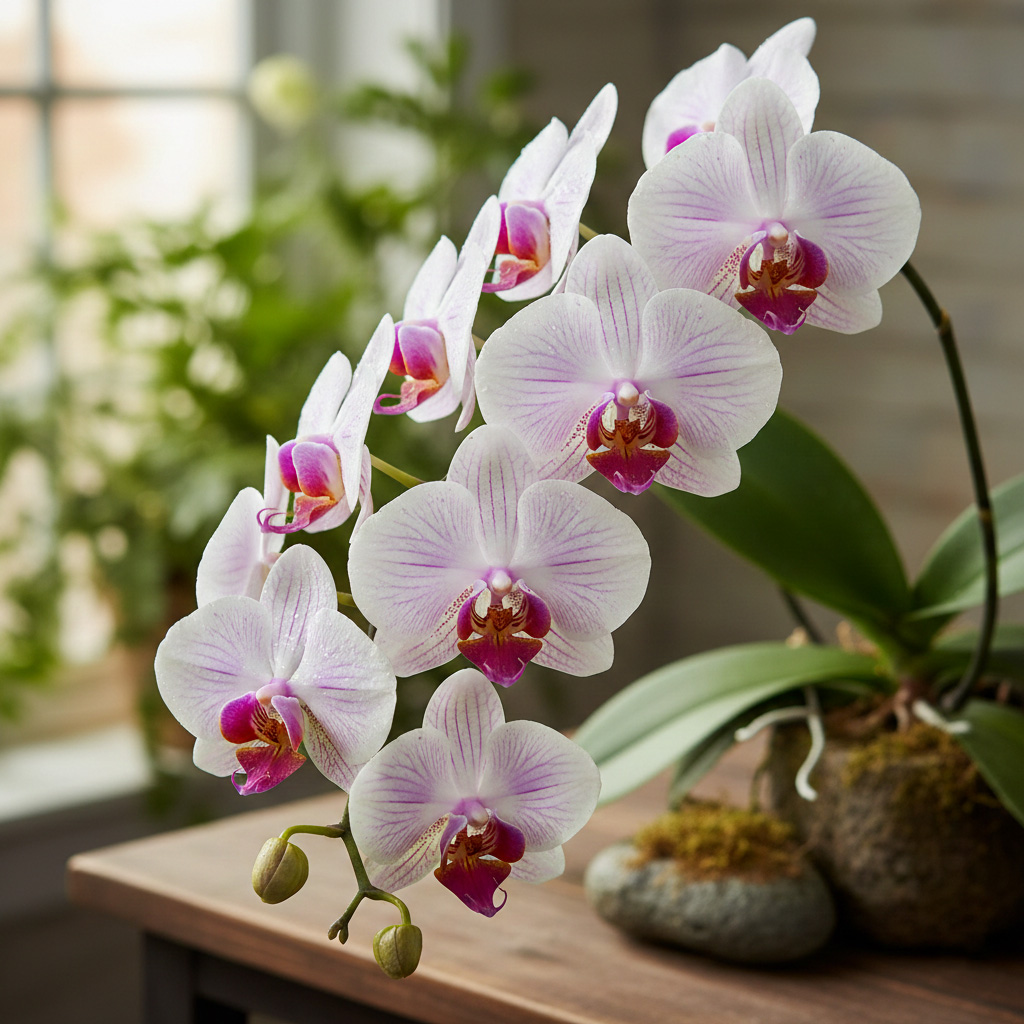
Orchidaceae, commonly known as orchids, is one of the largest and most diverse families of flowering plants in the world, comprising more than 25,000 species and thousands of hybrids. Orchids are found on every continent except Antarctica, thriving in a wide range of environments from tropical rainforests and grasslands to temperate regions. They are especially abundant in tropical and subtropical areas, where warm temperatures and high humidity support their growth. Orchids are admired for their extraordinary variety of flower shapes, colors, and patterns, which make them highly valued as ornamental plants.
Orchids exhibit unique biological characteristics that distinguish them from other flowering plants. Many orchid species have specialized pollination mechanisms, often relying on specific insects or birds for reproduction. Their flowers are typically symmetrical and include a distinctive lip, or labellum, which helps attract pollinators. Orchid seeds are extremely small and lack stored nutrients, so they depend on a symbiotic relationship with fungi to germinate and develop. This adaptation allows orchids to spread widely in nature but also makes their cultivation more complex.
In cultivation, orchids require specific care conditions depending on their type, such as epiphytic, terrestrial, or lithophytic orchids. Most popular cultivated orchids prefer indirect light, good air circulation, and well-drained growing media. Proper watering, humidity control, and temperature management are essential for healthy growth and flowering. With appropriate care, orchids can bloom for long periods and remain productive for many years, making them a favorite among gardeners, collectors, and commercial growers worldwide.