

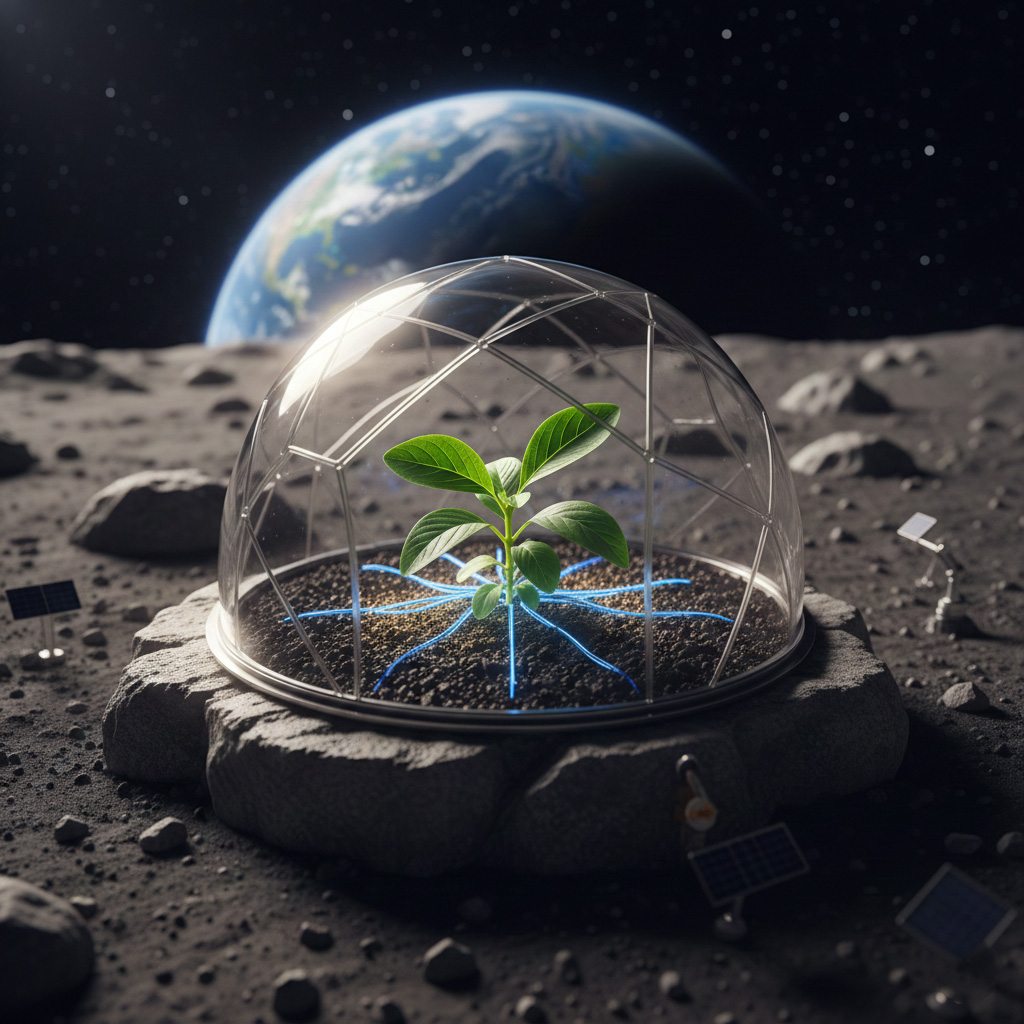
Cultivating crops on the Moon is a scientific concept that has attracted significant interest from researchers and space agencies around the world. Because the Moon’s environment differs greatly from that of Earth—such as having low gravity, a lack of oxygen, extreme temperature fluctuations, and no natural soil suitable for farming—growing crops there requires advanced technology and precise management.
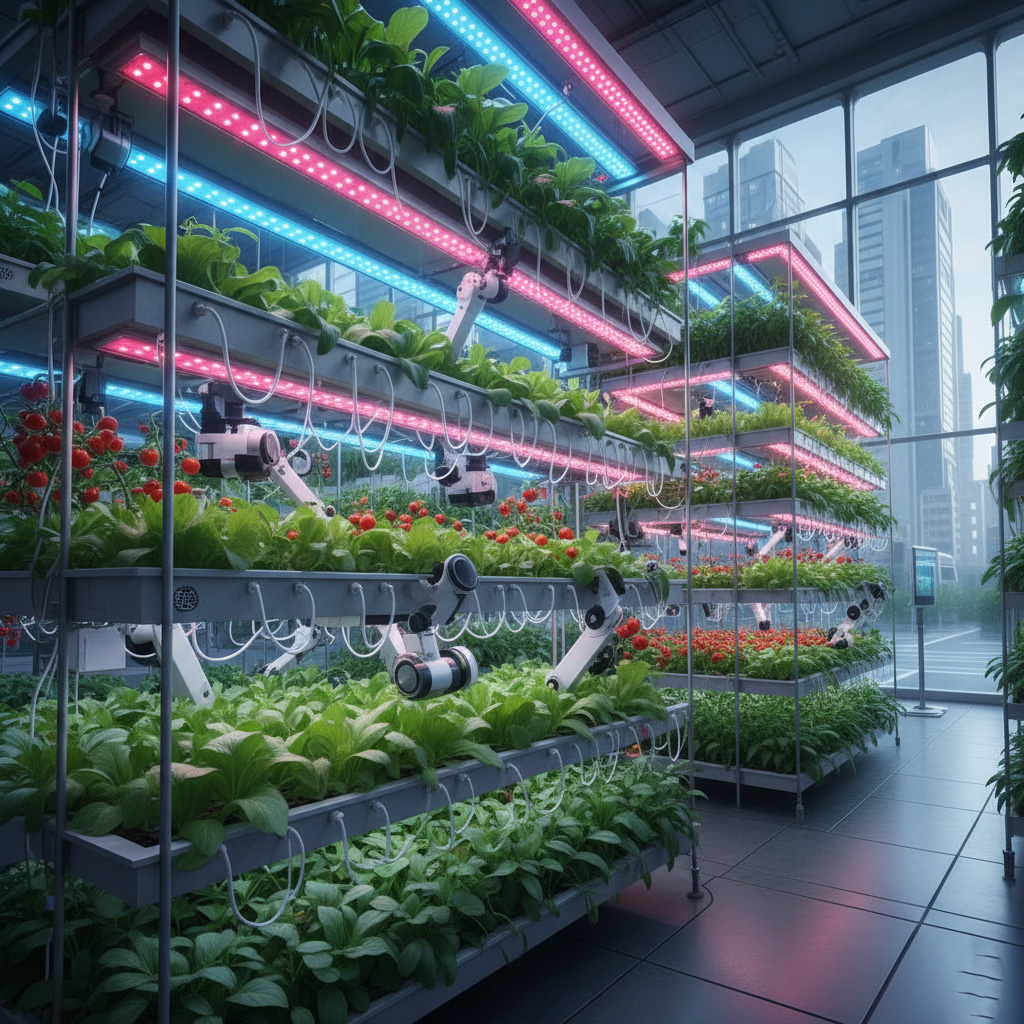
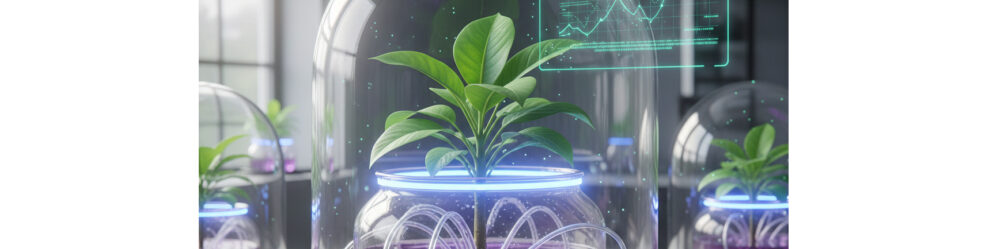
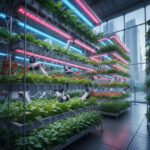
The technologies being considered for lunar agriculture include soilless cultivation systems such as hydroponics and aeroponics, which allow plants to receive nutrients through water or air instead of soil. Controlled Environment Agriculture systems are used to regulate light, temperature, humidity, and carbon dioxide levels to create conditions suitable for plant growth. Artificial LED lighting is employed to replace sunlight and to enhance the efficiency of photosynthesis.
Growing crops on the Moon is critically important for the future of human life beyond Earth. It can provide fresh food and oxygen while reducing reliance on supplies transported from Earth, which are costly and carry significant risks. In addition, plants can help improve the psychological well-being of astronauts by creating a more livable and nature-connected environment.
In conclusion, cultivating crops on the Moon is not merely a theoretical idea, but a vital step toward space development and the long-term survival of humans beyond Earth. With continued advances in science and technology, lunar agriculture may become a reality in the not-too-distant future.